








What Makes Affordable Home Decor Both Stylish and Accessible?
Affordable home decor combines thoughtful design with quality materials, delivering sophisticated aesthetics without excessive pricing. You don't need to compromise on style when you seek pieces that balance craftsmanship and value. The key lies in sourcing from brands that prioritize manufacturing efficiency and direct relationships with artisans, eliminating unnecessary markups while maintaining high standards.
Premium materials form the foundation of lasting home decor items. Look for pieces crafted from solid wood, hand-blown glass, natural stone, and quality metals.
These materials age gracefully and resist wear, ensuring your investment continues to elevate your space for years.
Ceramic vases with hand-applied glazes, travertine bowls with unique veining, and brass-finished sculptures offer texture and visual interest that synthetic alternatives simply cannot replicate.
Beyond material selection, the construction process matters just as much. Hand-finished edges, precise joinery, and carefully applied patinas distinguish well-made pieces from mass-produced alternatives. When you examine a ceramic vessel or bronze bowl, you should notice consistent wall thickness, smooth transitions, and deliberate design choices that reflect skilled craftsmanship rather than rushed production. These details speak to the care invested in each piece.
Smart buyers recognize that affordability doesn't mean settling for generic designs. Contemporary pieces feature clean lines, geometric forms, and neutral palettes that integrate seamlessly into existing interiors. Whether you gravitate toward minimalist Scandinavian influences or warmer Mediterranean-inspired textures, quality home decor items work across multiple design languages without dating quickly.
This versatility extends your investment value by allowing pieces to transition between different rooms and evolving styles.
Modani Furniture's white-glove delivery service ensures your carefully chosen pieces arrive in perfect condition, with professional handling that protects both your investment and your existing furnishings during placement.
Which Luxury Home Decor Items Transform Your Space?
Luxury home decor items create focal points that define a room's character through exceptional materials and artistic execution. Strategic placement of statement pieces instantly elevates your interior from simply furnished to thoughtfully curated. Understanding which categories deliver the most impact helps you invest wisely.
Sculptural Elements That Command Attention
Modern sculptures serve as three-dimensional art that changes as light shifts throughout the day. Bronze finishes develop rich patinas, while marble and onyx pieces showcase natural variation that makes each one unique. The Kora Sculpture combines organic forms with substantial weight, anchoring console tables or shelving with visual authority. Position sculptural elements where they catch natural light or create intriguing shadows against walls.
Scale plays a crucial role in successful placement. Coffee tables benefit from low-profile pieces that don't obstruct sightlines, while entry consoles can accommodate taller forms that greet visitors with immediate impact. Group smaller sculptures in odd numbers to create dynamic compositions that draw the eye without overwhelming the space.
Wall Art and Botanical Accents
Moving from freestanding elements to vertical surfaces, contemporary wall art establishes color palettes and sets the emotional tone for entire rooms. Abstract compositions in muted tones provide sophisticated backdrops that complement rather than compete with furniture. Textural pieces with raised surfaces or mixed media add dimensionality that flat prints cannot achieve, creating depth that engages viewers from multiple angles.
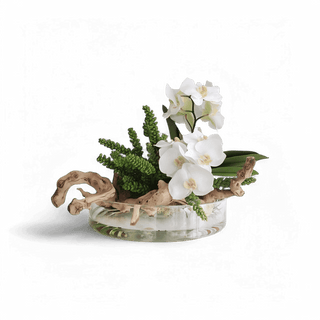
Complementing these fixed installations, botanical arrangements bring life and movement into carefully designed interiors. The Crillon Arrangement pairs preserved florals with quality vessels, requiring no maintenance while delivering organic softness that balances harder architectural elements. Layer botanicals at varying heights across rooms to guide visual flow and create natural rhythm between different zones.
Curated Collections and Ambient Elements
Transitioning to smaller-scale accents, designer books function as both accessible art and conversation starters. Stack volumes by color or subject on coffee tables and shelves, creating opportunities for guests to engage with your interests while adding intellectual depth to your aesthetic. These pieces bridge decorative and functional purposes seamlessly.
Finally, luxury candles contribute fragrance, ambiance, and sculptural beauty even when unlit. Select vessels in materials that complement your existing decor, from alabaster containers that glow when flames are present to ceramic holders with interesting glazes. Quality candles burn cleanly and distribute scent evenly throughout larger spaces, completing the sensory experience of your carefully curated environment.
How Do You Choose Contemporary Home Decor That Reflects Your Style?
Contemporary home decor reflects personal taste through cohesive selections that balance consistency with visual interest. Start by identifying your core aesthetic preferences, then build a collection that supports rather than contradicts your vision. This methodical approach prevents impulsive purchases that clash with your established design language.
Establishing Your Design Foundation
Begin by analyzing your existing furniture to determine dominant characteristics. Do you lean toward warm woods and soft textures, or do you prefer cooler metals and sleek surfaces? Your home decor items should amplify these tendencies rather than fight against them. If your sofa features rich velvet upholstery, consider brass or bronze accents that echo that warmth. Conversely, spaces anchored by leather and steel benefit from concrete, marble, or blackened metal accessories that reinforce the cooler palette.
Color palettes require equal discipline. Select two or three foundational hues, then introduce accent colors sparingly through smaller decorative objects. This approach creates visual harmony while preventing spaces from feeling chaotic or randomly assembled. Neutral bases in cream, gray, or taupe allow you to rotate seasonal accents without requiring wholesale changes, giving you flexibility as your preferences evolve.
Mixing Textures and Materials
Once your foundation is established, layer contrasting materials to add depth and prevent visual monotony. Pair smooth glass vessels with rough-hewn wood trays, or position polished stone bowls alongside woven textiles. These juxtapositions create tactile interest that engages multiple senses and rewards closer inspection, transforming casual glances into meaningful interactions with your space.
Lighting considerations further refine your selections. Consider how natural light interacts with different surfaces throughout the day. Reflective materials like polished metals and glass amplify available light, making them ideal for darker corners or north-facing rooms. Matte finishes and absorptive materials like unglazed ceramic work better in bright spaces where glare could become problematic, ensuring comfort at all hours.
Creating Intentional Vignettes
Apply these principles by grouping related items to tell visual stories across surfaces. A tray corrals smaller objects like hourglasses, decorative plates, and small vases, preventing collections from appearing scattered. Vary heights within groupings by using stacked books as risers or selecting vessels of different proportions, creating movement that guides the eye naturally.
Leave negative space to allow each piece room to breathe. Overcrowded surfaces dilute the impact of individual items and create visual noise that undermines the calm sophistication contemporary design aims to achieve. Remember that empty space functions as a design element itself, providing rest areas for the eye between focal points. This restraint ultimately amplifies the beauty of what you do display.
Finally, rotate accessories seasonally to keep your interior feeling fresh without requiring significant investment. Store off-season pieces properly to maintain their condition, allowing you to rediscover familiar favorites with renewed appreciation as you reintroduce them months later.